The event at the Beacon of Light marked the culmination of months of work following the launch of the Harrison Prize earlier this year, which encouraged learners to develop innovative business and technology ideas with practical applications.
Five teams took part in the final as part of their employability studies, presenting ideas covering areas including beauty and skincare technology, virtual reality driving test simulations, personal security devices and football performance technology.
Each team was tasked with identifying a genuine problem before developing a technology-led solution, alongside creating a business concept and delivering a professional presentation to the judging panel.
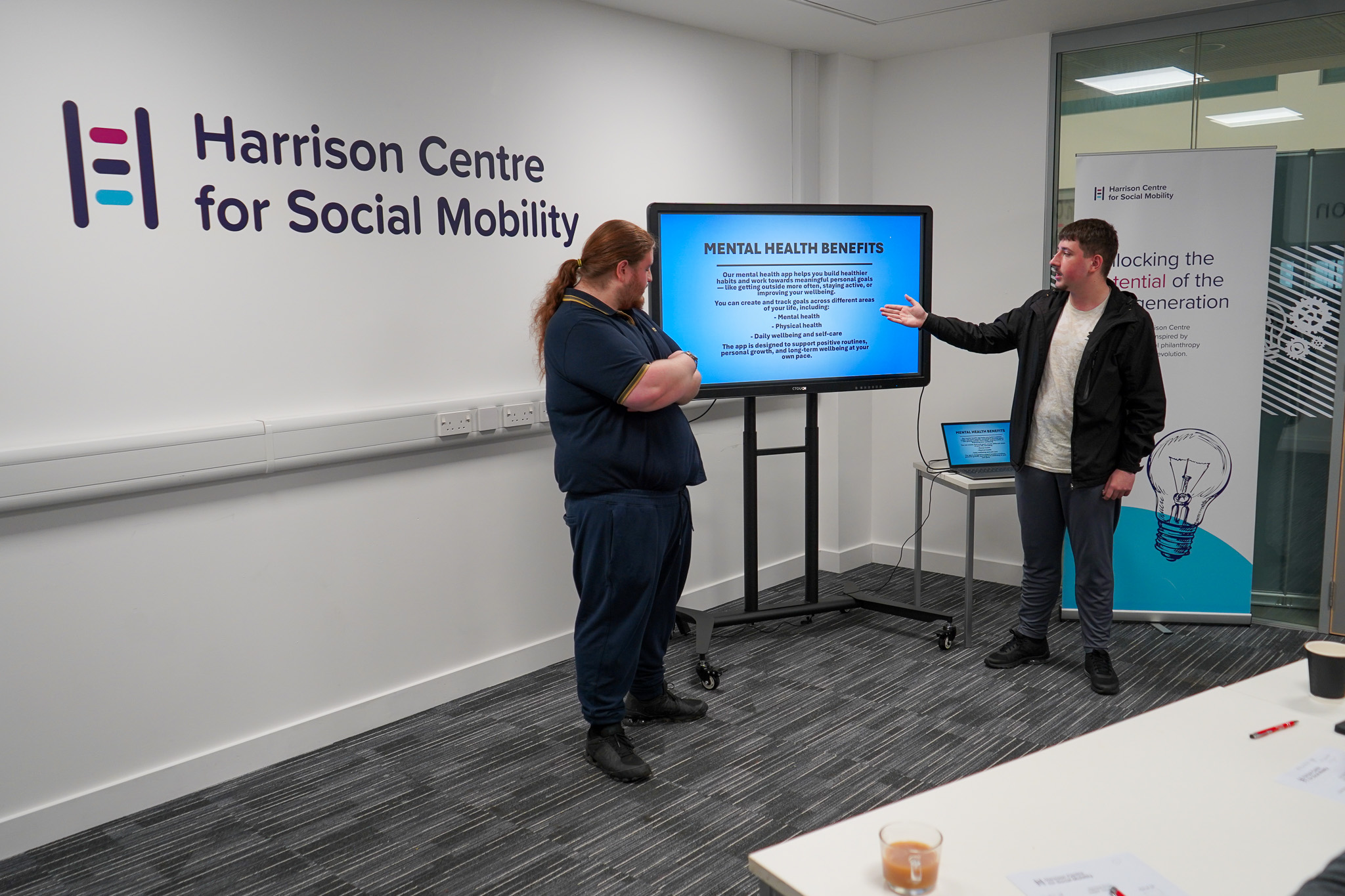 For learners working at the Harrison Centre’s Study Programme, the challenge also provided an opportunity to build real-world employability skills, including public speaking, presentation skills, innovation and critical thinking.
The standard of ideas and presentations reflected the continued development of enterprise, communication and problem-solving skills across the Harrison Centre programme. The winning team was Kenneth Morris and Taylan Turkmen-McKenna, whose idea focused on a “Mindfull” app designed to support mental and physical wellbeing through self-improvement tools, personalised goal setting and wellbeing tracking.
The judges were particularly impressed by the professionalism of the presentation and the way the team demonstrated the app live during their pitch. Using a QR code, judges were able to directly access and sample the app themselves during the presentation – the first time this approach has been used in the Harrison Prize competition. Their presentation combined strong technical understanding with a clear focus on accessibility and practical use, helping to set them apart from a highly competitive field.
As winners of the 2026 Harrison Prize, Kenneth and Taylan each received an iPad in recognition of their achievement. The judging panel was led by Harrison Foundation trustee Daniel Harrison MBE, who praised the creativity, professionalism and confidence shown by all participants throughout the competition.
Daniel Harrison MBE said: “What stood out this year was the quality of thinking behind the ideas. Every team focused on solving a real problem, whether that was around wellbeing, safety, learning or performance. The standard of presentations was excellent and it was encouraging to see young people developing ideas with genuine practical value.
“Kenneth and Taylan were deserved winners. Their presentation was professional, well thought through and showed real initiative, particularly in the way they brought the judges into the demonstration itself.”
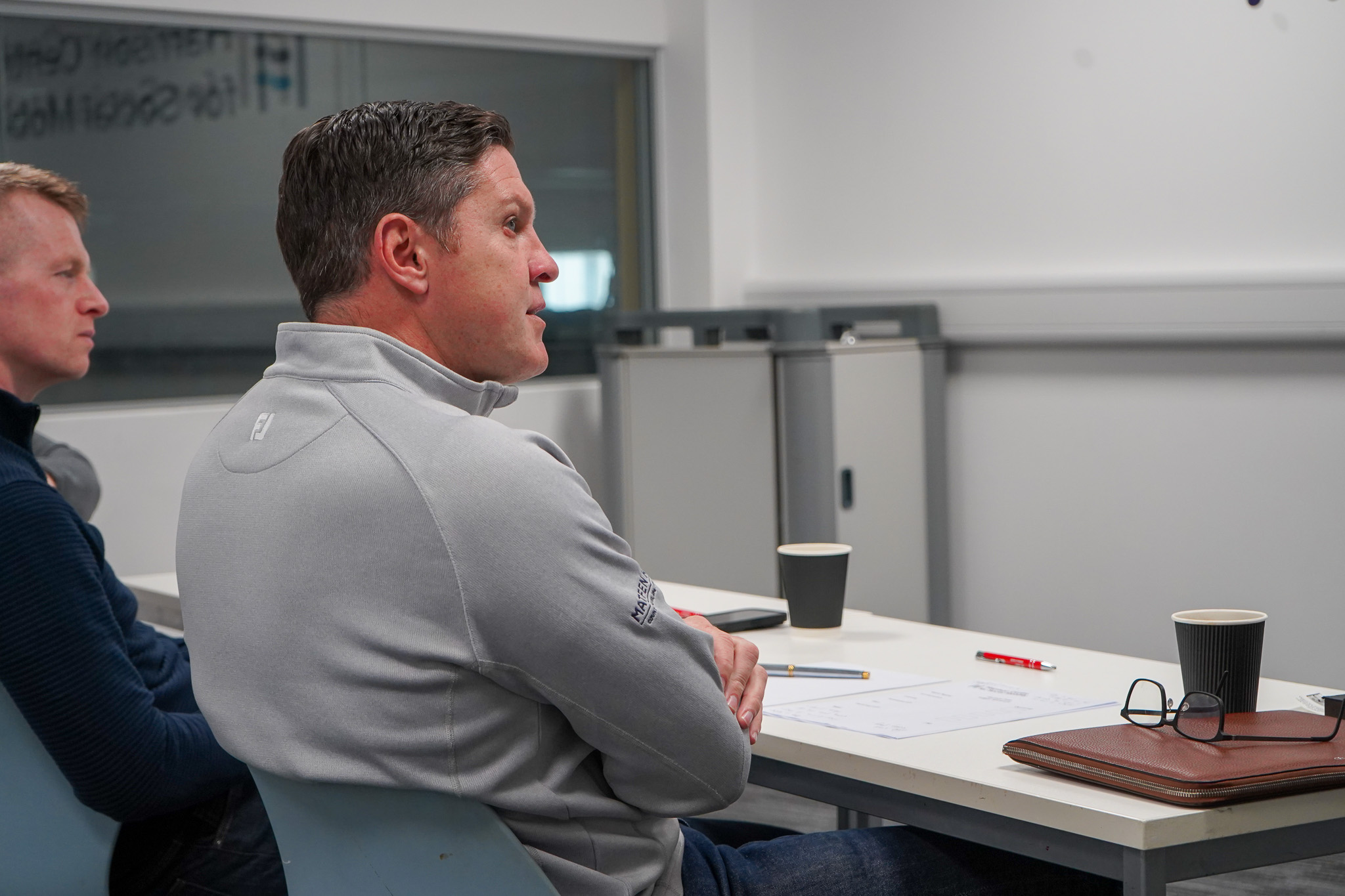
Guest judge Jamie Sexton from North East based financial technology firm, True Potential, added: “The level of creativity and confidence on display was really impressive. What was particularly encouraging was seeing young people thinking commercially and practically about how technology can improve people’s lives. These are exactly the sorts of qualities we look for at True Potential. This week’s Harrison Prize shows the value of giving young people opportunities to develop and showcase their skills.”
Foundation of Light Youth Skills Coordinator, Neil Jones, added: “This year was probably our strongest Harrison Prize yet. In terms of the learners’ presentational skills, the range of ideas and the quality of the ideas, we were impressed across the board. The goal of the Harrison Prize is all about building that confidence and those social awareness skills that help you in the business world, and I think this year’s cohort achieved that. “Kenneth and Taylan stood out for their ownership of the challenge and their idea. They did their own research and development around a real-world issue, even building the app. It was amazing to see the initiative they took in tackling the challenge head on.”
The Harrison Prize forms part of the wider work taking place at the Harrison Centre in Sunderland in partnership with the Foundation of Light, where learners are supported through programmes focused on employability, enterprise, technology and progression into further education and employment. By combining practical learning with opportunities to present, collaborate and problem solve, the programme continues to help young people develop skills that are directly relevant to future careers.
This year’s final also demonstrated how quickly learners are adapting to emerging technologies and applying them in creative ways to real-world challenges. From wellbeing apps and immersive VR experiences to personal safety devices and sports performance tools, the ideas presented showed both ambition and a clear understanding of how technology can be used positively and practically. For the students involved, the competition was about more than just winning a prize. It was an opportunity to develop confidence, improve communication skills and experience what it means to take an idea from concept to presentation.